
Survivor’s Guilt and Natural Disasters – Help Those Who Are Suffering from Survivor’s Guilt and Ease Your Own Angst
Survivor’s guilt can hit anyone, in many situations. Fires, flooding, and earthquakes are happening more often, and in places they’ve never hit before, affecting thousands of people, worldwide. The 2023 fires on Maui are an example of a recent natural disaster in a high-profile area that is especially dear to people around the world – as well as very close to my home and heart. Survivor’s guilt can also hit those who simply see the graphic media images and hear the cries of people posting their distress. You feel what it’s like to be right there and think, It could have been me. Why wasn’t it me? I have to help!
So here’s the thing. Survivor’s guilt doesn’t help anyone.
If you do healing work, you likely have greater than average capacity for empathy. But in this case it’s better to turn down that dial so you don’t flood yourself with the anxiety of others and can keep yourself able to help. The following comments are for both anyone you work with in a healing capacity, and for yourself. This is probably not new information for you, but you may need to hear it again, now.
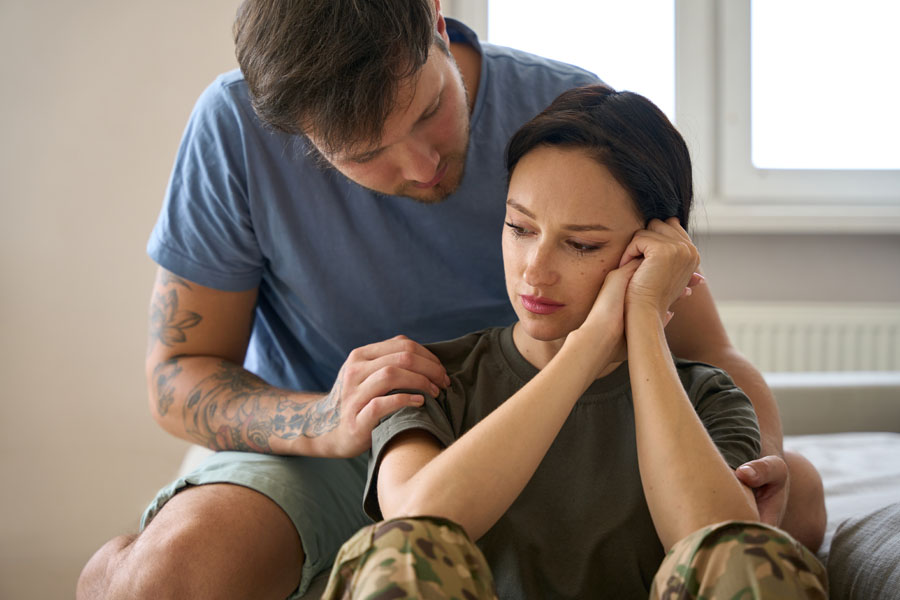
Guilt is a healthy emotional response when you’ve done something wrong. But neither you nor those you work with have done anything wrong by being somewhere else when a natural disaster happens. You are not to blame for the deaths, or for living when others died. You are not wrong to feel relief that it wasn’t you, or that your house and loved ones are safe. When you haven’t done anything wrong, survivor’s guilt is probably not the best use of your emotional energy.
Keep in mind that survivor’s guilt may also be masking deeper feelings of fear or sadness. If so, cut yourself slack, give yourself extra respite and rest, and generally be extra gentle with yourself.
Speaking directly to those in a disaster zone: If you weren’t in a fire, you haven’t lost a loved-one, and if your home is intact, take a breath and feel relief. Relief is the appropriate response when you avert danger. Be glad it wasn’t you. Please don’t feel guilty that it wasn’t. That doesn’t mean that you don’t have sympathy for those who are suffering or won’t help them. Counting your blessings doesn’t mean that you don’t understand how devastating the loss is for others and that those affected need comfort and help. You will be able to offer that help more effectively from a place of fullness and empowerment.
Layers of Survivor’s Guilt
If you have lost a home, loved ones, pets, or are a survivor of a natural disaster, you are already traumatized enough. It wasn’t your time to die. That day will come, for all of us, soon enough. Your deceased loved ones wouldn’t want you to feel guilty. They’d want you to take care of yourself and recover the best you can. It’s now your time to receive. Let those who can and want to help, help you.
You may be a lifeguard who has pulled bodies out of the surf, or a police officer who has found bodies in burned cars. You may treat family members who weren’t home the day their house burned to the ground. Survivors realize that it might have been them who died, but it wasn’t. The refrain in their mind is, “It could have been me. Why wasn’t it me?” It’s normal to have such thoughts, but it’s not helpful.
Then there’s the vicarious layer of survivor’s guilt experienced by people around the world. Images available on every news channel and social media outlet are often so graphic and vivid that you feel like you were there. You can imagine the smoke and the heat. You imagine the horror as if it was happening to you. But please re-cognize that it’s not happening to you, now.
How do you remain sensitive without getting overrun by everyone else’s distress? The immediate answer is to take control of your media intake.
Watching sensational, horrendous images of the fire damage and hearing people cry in anguish can re-trigger old trauma of your own, and create new trauma. This doesn’t help the fire victims, and it doesn’t help you.
Also monitor how much you can treat others before getting overloaded, yourself. You may be more sensitive at this time as you metabolize collective angst in the greater emotional field. So give yourself leeway to see few patients, or to work shorter hours so you don’t burn out. This helps you be available for the dire cases that really need your help.
You know the loss and damage are devastating. You also know that the news and many social media outlets sell ads by keeping people engaged. And they do that with the most sensational, graphic and emotion-laden stories and images. Don’t let yourself get overwhelmed. Turn off the TV and get off your phone for a while. Then return when you are feeling full again and help in ways that are sustainable for you.
Even right after the Maui fires, there were places on Maui of lush, living green, even a few feet from the worst burn scenes. Seek out and focus on what’s working, what’s still beautiful, and what is not lost. Disasters often bring out the best in people. Amidst the suffering and loss is a lot of love, people helping, and things going right. Don’t ignore what’s happening – and continue to help after the media turns its focus elsewhere – but don’t only focus on the distress.
If you have experienced a fire or a natural disaster, watching or hearing about a new disaster might re-trigger your own trauma. Please talk yourself off the ledge to realize that this is not you, now. You’re not helping the current survivors by traumatizing yourself with this imagining. Do what you can to calm your nervous system and ground yourself in the present moment. From this place, your are then in a position to offer listening, or guidance, or insights to people who are going through this loss and distress now. From that place of calm, you will find creative ways to help.
Listening can be the greatest service
You will be of the greatest service to someone in distress if you are well-rested, well-fed, and calm. If you aren’t in distress about this crisis – or any crisis – you have energetic space to listen.
Listening is the first step to any conscious response. Sometimes that’s the only thing that’s needed. Your listening can provide a field for people to sort through their own thoughts and feelings. You can say, “I hear that you’re worried about X” without knowing how to fix the situation. Simply acknowledging their distress or worry, without needing it to change, may be the biggest gift.
Maybe you hear a subtle need expressed and you can help with that, “I hear exhaustion in your voice. Could you take a nap now?” or “What can I do to help you take a nap?”
Jumping in to “help” when loaded with angst is counterproductive. If you are exhausted or depressed or incapacitated by guilty feelings or unprocessed trauma from your own past, you aren’t able to listen now. If you can’t hear what someone is asking for because or your own worry or need, your response will be from your ideas; you may miss the mark entirely and may even add to their distress. Healer, balance yourself first.
If you are far away from a disaster zone and don’t know anyone there, sympathy may be a better response than empathy. People in crisis don’t want anyone else to be distressed; they want healing and relief. They want repair and help. You can best contribute to the healing by taking care of yourself and then from a place of fullness and strength, you can do your good work.
I went to the main survivor’s shelter the day after the biggest fires. The displaced people I spoke with had their immediate needs of food and shelter met, but there was plenty of anxious dis-ease. It felt like there were more volunteers wandering around distressed and wanting to do something, than displaced people. Several volunteers were given the specific task of managing the well-meaning, distressed people who came to help! What I saw was that many volunteers were unable to read the room. Their feelings of survivor’s guilt and empathic distress were adding to the problem.
I approached a lifeguard to see if he might be willing to release some of his angst. He was wound up, ready for action and it was clear that he wouldn’t be able to “let down” there. My willingness to help was not in line with any readiness to receive help at that moment. So I took myself out of there, ready to be of service later, when (and if) needed.
Here’s how to calm and rebalance
The goal is to come into the present moment, into your body.
- First, take some slow breaths. Count to 4 as you inhale slowly. Count to 5 as you exhale. Then gradually either slow the counting or extend the count (to 8/10, etc.)
- If you can, go outside and stand on the earth; look at the sky.
- Put your hands in some soil, smell a flower or a plant.
- Pet a fur buddy.
- Hug someone.
- Ground into your body, in this moment that you’re reading a post and not directly in crisis.
- Take a bath; take a shower; brush your hair slowly.
- Meditate
- Get some aerobic exercise
- Go for a walk
- Listen to yoru favorite music
- Call a friend you haven’t spoken with in a while
- Tell your mom (or dad, or child, or partner) that you love them.
Do a variety of these things throughout your day to come back to yourself. Other things that can help are massage; connected sex; cooking and eating a healthy meal – especially sharing that meal with someone else.
Turn off your phone for a while, unplug from the media and fill your heart with the good people and things in your life. When you are full and your heart is open, you will recognize new ways to be of service.
Denise LaBarre has lived and worked on Maui for 3+ decades. Her revised Second Edition: Issues in your Tissues can be found here.
Visit http://www.healingcatalyst.com for more articles on healing by Denise.